


Pollen Allergies
Pollen Allergies and Minimizing Pollen Allergy Symptoms
Who, What, When, Where, and Why?
35.9 million Americans suffer from seasonal allergies or pollen allergies. With spring finally here, so are the symptoms of seasonal allergic rhinitis and pollen allergies- sneezing, runny noses, congestion, itchy sinuses, and watery eyes.
What Causes Rhinitis & Hay Fever:
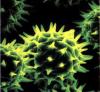 Seasonal allergic rhinitis or hay fever is caused when a person's immune system mistakenly identifies pollen as an intruder, much like bacteria or viruses. Once the body has identified a particular allergen like pollen as an intruder, it produces antibodies specific to that allergen and sends them to line the lungs, throat, nose, eyes, skin, and stomach. In the future, when that allergen enters the allergic person's body, it attaches to the antibodies and triggers the release of histamine. This release of histamine is what causes pollen allergy symptoms.
What is Pollen and How Does It Spread:
Pollens are the male reproductive cells of plants. The troubling pollen for allergy sufferers are those of trees, grasses and weeds as opposed to flowering plants. Flowering plants depend on insects to carry their heavy, waxy pollen granules from plant to plant. Whereas, trees, grasses, and weeds produce light, dry pollen granules designed to travel with the wind to pollinate other plants.
When During the Season Do Certain Pollens Spread:
Trees, grasses and weeds combine to release pollen from early spring to early fall. Although several factors affect the timing and degree of the pollen season. The time when a given species of plant pollinates is based on the relative length of days and nights. So, the same plant will pollinate earlier in the South and later in the North. Weather conditions also play a role in how much pollen a plant produces and are the primary cause of the varying severity of the pollen season from year to year.
Different people have pollen allergies to different plants. But people whose bodies develop allergies to one plant are very likely to develop allergies to others as well. The plants which produce allergenic pollen have been narrowed down and the most common culprits along with the time of year that they pollinate are listed in the chart below...
| Trees | Grasses | Weeds |
|---|---|---|
Early Summer |
Late Summer |
Early Fall |
|
|
|
Pollen Counts
Pollen counts are a valuable tool for allergy sufferers during the pollen season. These counts can help allergy sufferers plan outdoor activities on days and times when pollen is least likely to cause problems. Pollen counts are frequently provided by local TV, radio stations, and newspapers. You can also find pollen counts online through the National Allergy Bureau's website.
Tips and Tricks for Surviving the Pollen Season
Pollen is the most difficult airborne allergen to avoid. But there are still a number of things that you can do to minimize your exposure to pollen.
In your home:
- Avoid open windows, attic fans, or any other unfiltered openings for pollen to get into your home. Instead, run your central air or a well-filtered window unit for air circulation. If you're torn between your allergies and the desire to open your windows on a pretty day, consider using window screen filters to keep pollen out.
- Replace your furnace filters or wash electrostatic filters regularly to help clean pollen out of the air. You can also use vent filters on the room vents to catch anything that might have made it by the furnace filter. Including pollen and other allergens that may have already settled in your air ducts.
- Run a HEPA air cleaner in your bedroom to help eliminate the pollen that makes its way into your home.
- Don't dry your clothes on an outside line where they can collect pollen. Instead dry them in a vented dryer.
- Outdoor pets are covered in pollen. Wipe them down when you let them indoors and bathe them frequently with an anti-allergen pet shampoo. You should also avoid letting them track pollen onto your bed.
When working outdoors:
- Avoid yardwork, like mowing the lawn or raking leaves. This can stir up even more allergens than are already airborne. If you cannot avoid yardwork, wear a pollen mask.
- Take a shower when you come inside to remove pollen from your hair and skin. Also, try using a nasal irrigation system to remove pollen from your nasal passages.
- Your clothes and shoes collect pollen when you go out. When you get home, leave your shoes by the door and change clothes as soon as possible. This cuts down the time you spend in contact with pollen and the amount of pollen that you bring into your home. You can also wash your clothes in an all-natural laundry detergent for allergy sufferers.
When you're going out:
- Keep car windows and sunroofs closed and the air on recirculate when traveling in your car. This helps prevent pollen from making its way in. If that's not enough, consider using a portable HEPA air purifier.
- Keep in mind that pollen is at its worst on windy days. As a result, the wind stirs even more pollen and it travels further. And, pollen is at its best after prolonged rain, because the rain washes the pollen out of the air.
- Look for areas with less pollen, like the beach, when planning your next vacation.